Best Odds to Win at Casino Understanding Game Odds House Edge and Probability
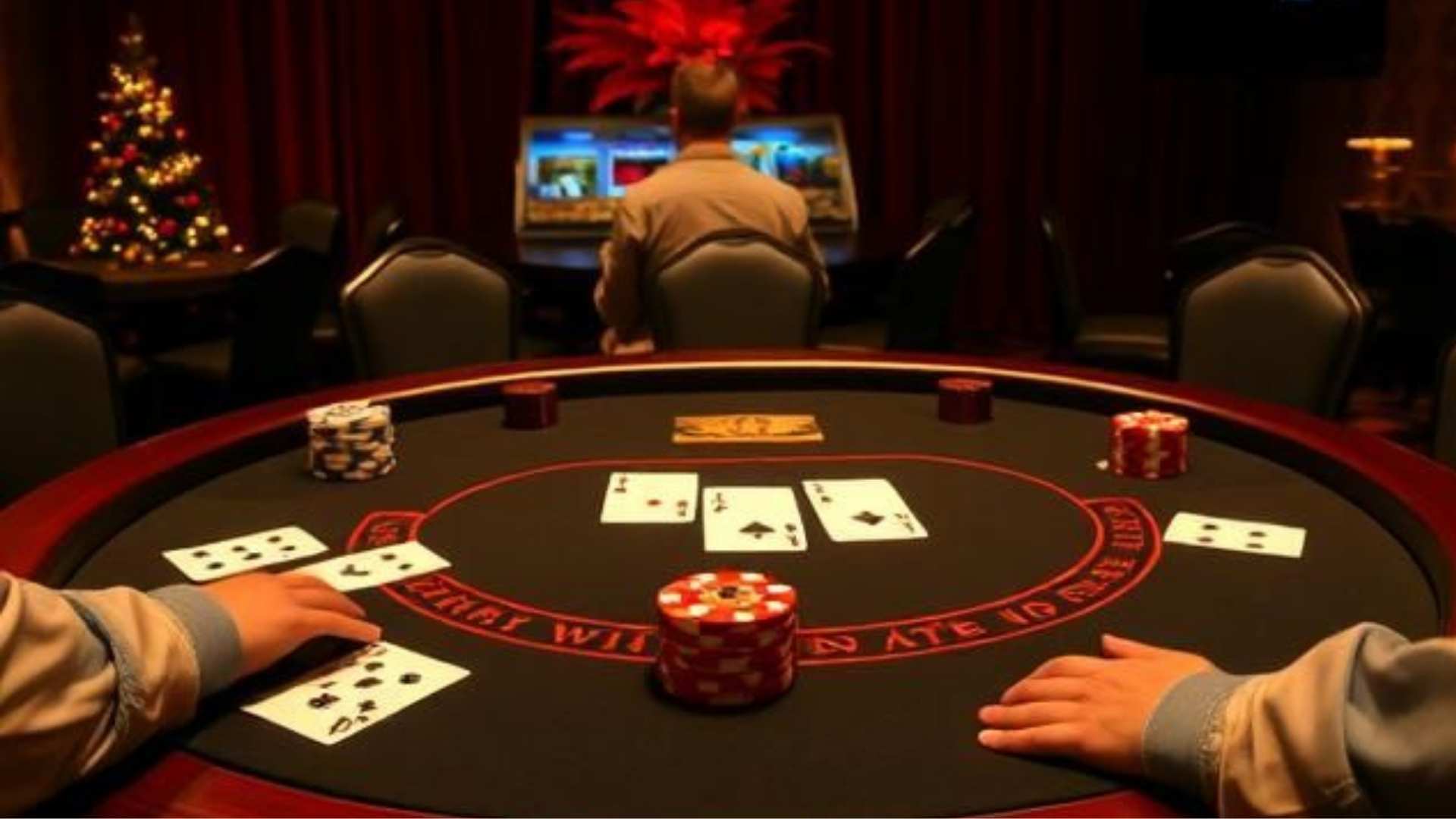
Navigating the floor of a casino can be an overwhelming experience given the sheer variety of gaming options available to players. While every game is built with a mathematical advantage for the venue, understanding probability and house edge allows players to make informed choices. By selecting games with favorable odds, individuals can stretch their bankrolls further and optimize their overall playing experience.
Defining the House Edge in Casino Gaming
The house edge represents the built-in mathematical advantage that a venue holds over players over extended periods of play. Expressed as a percentage, it reflects the average proportion of total wagers that the casino expects to retain. A lower house edge indicates that a larger percentage of total stakes is returned to participants over time.
It is important to remember that house edge calculations are based on statistical averages across thousands of rounds. In short sessions, short-term variance can lead to significant winning or losing streaks for individual players. Recognizing this distinction helps players maintain realistic expectations during any gaming session.
Comparing Odds Across Popular Table Games
Table games generally offer some of the most favorable odds on the casino floor when compared to electronic machines. Blackjack, for instance, can feature a house edge under one percent when participants follow basic strategy rules. Similarly, classic baccarat wagers on the banker or player hand carry relatively low margins that appeal to strategic players.
Craps also features specific wagers, such as pass line bets paired with odds bets, that reduce the operator advantage considerably. Players exploring digital gaming options on platforms like m88 the thao often find these core probability principles reflected across various online table formats as well. Choosing games with simple, established probability models generally provides better long-term statistical value.
The Role of Probability and Game Selection
Probability governs every single outcome in casino games, from the spin of a roulette wheel to the dealing of cards. In games like European roulette, the presence of a single zero creates a lower house edge compared to American variants with double zeros. Recognizing how game rules alter statistical probabilities allows players to select options that favor their longevity.
Conversely, games like keno or progressive slots carry significantly higher house margins to account for rare, massive payouts. While these high-edge games offer enticing potential rewards, they tend to deplete bankrolls much faster over time. Balancing risk preference with statistical awareness is essential when choosing which titles to play.
Strategies for Managing Your Gaming Sessions
Understanding game odds is only one part of maintaining a balanced and enjoyable casino experience. Setting strict time and financial limits before beginning a session prevents impulsive decision-making during natural swings of luck. Managing wager sizes relative to total available funds ensures that short-term losses do not cut a session short.
Ultimately, treating casino games as entertainment rather than a financial scheme leads to healthier habits. Evaluating games based on house edge and statistical probability gives players greater control over their choices. Armed with mathematical awareness, players can make prudent decisions that maximize both fun and playing time.