Tag: Performance Stats
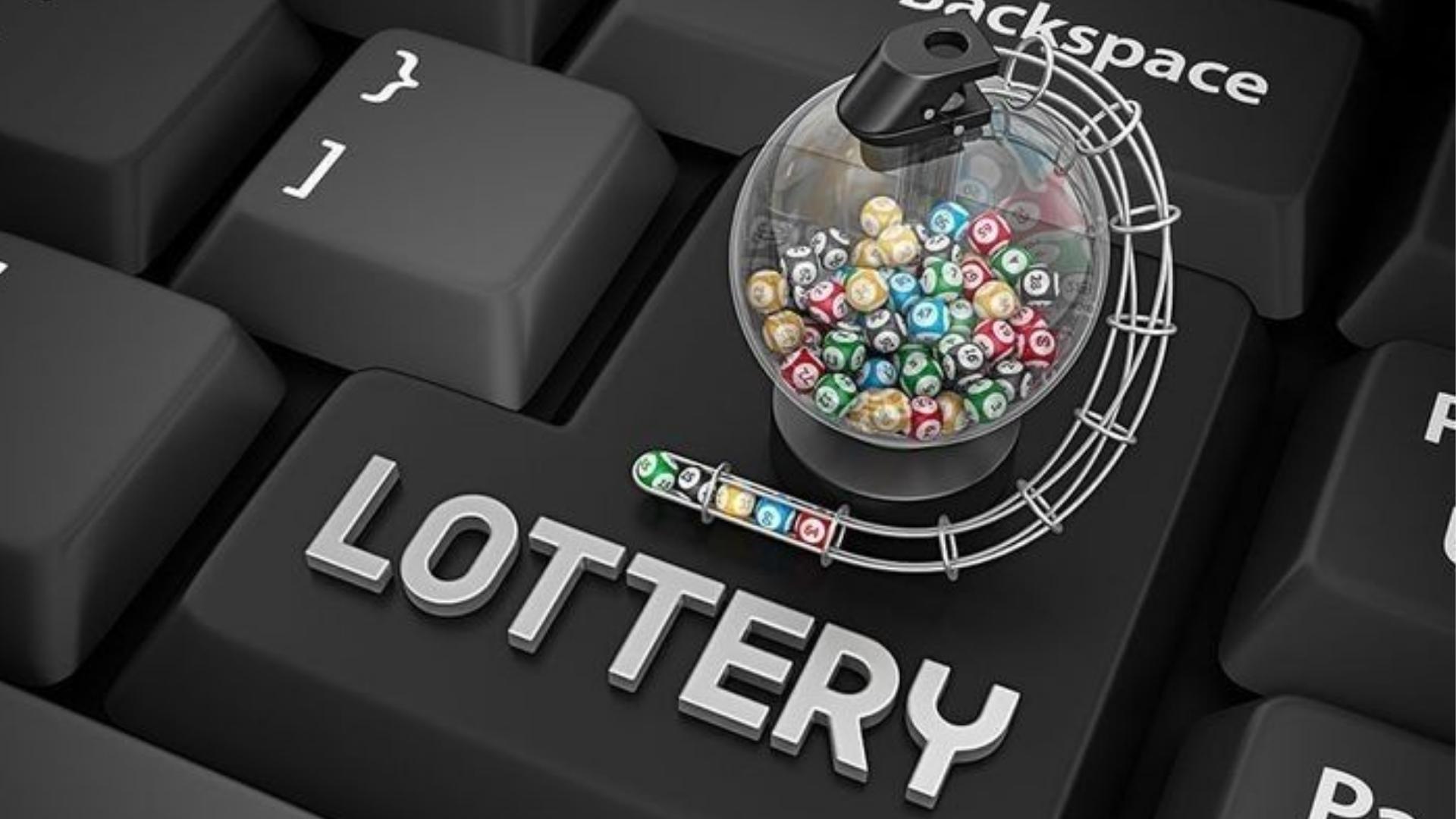
Learn Probability Without Complicated Formulas
Probability is often viewed as a daunting mathematical subject filled with dense equations and confusing notations. However, understanding the core concepts of chance does not require memorizing complex arithmetic or structural layouts. By focusing on everyday logic and practical observation, anyone can learn to navigate uncertainty with absolute confidence.
The Logic of Everyday Likelihood
At its heart, probability is simply a tool used to measure how likely an event is to happen. We interact with these concepts constantly when checking the morning weather forecast or deciding whether to carry an umbrella. Shifting your focus toward these routine observations helps transform abstract mathematical theories into practical mental frameworks.
Instead of relying on rigid textbooks, you can develop a deep intuition for statistics by analyzing small daily patterns. Observing how frequently certain outcomes occur allows your mind to build a natural database of potential risks. This foundational understanding establishes a strong platform for making objective, data-driven decisions in your personal life.
Visualizing Outcomes Without Math
One of the easiest ways to grasp statistical distribution is to visualize all the possible results of a given scenario. For example, flipping a coin presents two clear paths, while rolling a standard die yields six distinct options. Mapping out these possibilities visually eliminates the need to compute ratios using complicated formulas.
Many modern digital platforms use these straightforward visualization techniques to help users interact safely with random number generators. Enthusiasts looking for a reliable portal can explore options like M88 to observe digital random distribution firsthand. Engaging with these clear visual layouts allows learners to see how patterns emerge across multiple consecutive trials.
Differentiating Independent Events
A crucial milestone in mastering logic games is understanding the baseline difference between independent and dependent occurrences. An independent event means the next outcome is completely unaffected by what happened in the previous round. Recognizing this balance helps eliminate common psychological illusions, such as believing a specific result is overdue.
When you realize that each trial starts with a completely fresh slate, your strategic planning becomes much more robust. You stop chasing past trends and start focusing entirely on the structural structure of the present moment. This analytical shift reduces the emotional frustration often triggered by highly unpredictable or volatile environments.
Practical Tips for Analytical Growth
Building a strong logical framework requires steady practice and patient observation of everyday physical systems. Start by tracking simple activities that involve basic card decks or standard matching games with friends. Focus entirely on the frequency of broad categories rather than attempting to guess exact individual numbers.
Maintaining an educational perspective ensures that you can enjoy the thrill of uncertainty without experiencing unnecessary stress. Over time, consistent observation transforms the laws of chance into highly accessible, practical tools for risk management. With patience, anyone can unlock the secrets of predictability without relying on mathematical jargon.

Solitaire Games That Make Learning Fun
For decades, solitaire has served as a reliable way to unwind, but modern variations have transformed the classic card layout into a dynamic tool for cognitive development. By blending entertainment with educational goals, these updated formats show players how sorting and sequencing can reinforce valuable critical thinking skills. Rather than feeling like a chore, exploring these puzzles turns skill acquisition into an engaging and highly rewarding routine.
The Intersection of Play and Cognitive Development
Educational experts agree that interactive experiences help individuals absorb logical concepts much faster than traditional rote memorization. Playing structured card games encourages players to analyze multiple options simultaneously, strengthening short-term memory and spatial reasoning. This active participation trains the brain to recognize intricate visual patterns and build structural patience without the fatigue associated with classroom learning.
As players arrange cards in alternating colors and descending order, they are secretly practicing advanced organizational methodologies. Each successful arrangement acts as a minor triumph, reinforcing positive mental habits and encouraging longer attention spans. Over time, these simple mechanics build a foundation of logical discipline that translates into improved everyday decision-making.
Developing Strategic Thinking Through Gameplay
One of the most valuable aspects of these interactive card variations is how they teach foresight and cause-and-effect planning. A player must carefully evaluate which face-down pile to uncover next, calculating the risk of depleting their available moves. This delicate balance of choice and strategy helps develop a practical mindset focused on finding alternative solutions to tough challenges.
These problem-solving pathways are highly transferable, allowing individuals to approach modern challenges with greater mental flexibility and poise. Many digital enthusiasts visit platforms like M88 to test their strategies and refine their skills across a variety of traditional layouts. By challenging different configurations, players build confidence in their personal judgment and analytical reasoning.
Patience and Resilience in Modern Card Design
Unlike fast-paced digital distractions that prioritize immediate gratification, traditional card setups require players to slow down and embrace progression. When a particular layout seems impossible to clear, players learn to accept the setback, re-evaluate their setup, and try again. This iterative cycle of trial and error is crucial for fostering a genuine growth mindset in learners of all ages.
The subtle lessons in persistence offered by these games teach us that failure is simply an opportunity to adjust our perspective. By treating each shuffle as a brand new beginning, players discover that consistency and observation are the true keys to mastering complex systems. Ultimately, these classic formats prove that building mental endurance can be an exceptionally enjoyable journey.

Table Games That Bring Families Together
In today's fast-paced digital era, finding genuine ways to connect with loved ones can sometimes feel like a challenge. Table games offer a wonderful, time-tested solution by bringing people of all generations together around a single table. These shared activities encourage face-to-face interaction, lively conversation, and lasting memories that screens simply cannot replicate.
The Power of Shared Playtime
Gathering for a game night creates a unique environment where family members can step away from their daily stressors and focus on mutual enjoyment. Whether it is a friendly rivalry or a cooperative mission, playing together helps lower barriers and encourages open communication. These moments of laughter and collective problem-solving go a long way in strengthening emotional bonds across generations.
Furthermore, establishing a routine game night can become a cherished family tradition that children look forward to every week. It provides a reliable space for everyone to catch up, share stories, and celebrate small victories as a team. For those looking to explore more interactive leisure options online, visiting M88 can offer inspiration for engaging digital alternatives that keep the spirit of play alive.
Boosting Cognitive and Social Skills
Beyond the simple joy of playing, table games provide valuable learning opportunities disguised as entertainment. Younger players can develop critical thinking, spatial awareness, and basic math skills while navigating various game boards. At the same time, older family members benefit from keeping their minds active and sharp through strategic decision-making.
Socially, games teach essential life lessons such as taking turns, negotiating, and dealing with both victory and defeat gracefully. Children learn to collaborate with others and appreciate different perspectives in a safe, supportive environment. These subtle educational benefits make family game nights an incredibly productive use of shared free time.
Choosing the Right Game for Everyone
To ensure a successful gathering, it is crucial to select games that accommodate the ages and interests of all participants. Simple card games or classic board games with straightforward rules are excellent choices when younger children are involved. This keeps the atmosphere light and prevents anyone from feeling left out or overwhelmed by overly complex mechanics.
For families with older teenagers or adults, cooperative strategy games can offer a deeper and more immersive challenge. Working together toward a common goal fosters teamwork and helps build a strong sense of collective achievement. Ultimately, the best table game is one that keeps everyone engaged, smiling, and talking long after the final turn is taken.